What Do You Study in Oenology? Six Core Subject Areas
Oenology degrees are not just "winemaking" in a single sense. A typical curriculum splits into several distinct subject areas, from the biology of fermentation to the business of selling the finished bottle, and different universities emphasize different parts of that range.
This page introduces six subject areas that recur across viticulture and oenology programs worldwide, giving you a map of the field before you compare specific universities or courses. For more on how these subjects get developed into formal curricula through international academic cooperation, see how international agricultural education projects work; for open reading material tied to these topics, see our resources page.
Wine tourism innovation
Wine tourism has grown from a side activity for wineries into its own area of study, covering visitor experience design, regional branding, digital and virtual tasting formats, and the economics of enotourism routes. Programs in this area often draw on real regional examples, such as Spain's certified wine routes or Portugal's Douro Valley. See our dedicated page on wine tourism innovation for more.
Microbiology, wine ageing and wine safety
This subject area covers the living side of winemaking: the yeasts and bacteria that drive fermentation, the microbial risks that can spoil a wine, and the chemistry of how wine changes as it ages in barrel, tank or bottle. It sits close to food-safety science as much as to viticulture, since contamination and spoilage organisms are a genuine commercial risk for producers.
Grapevine science
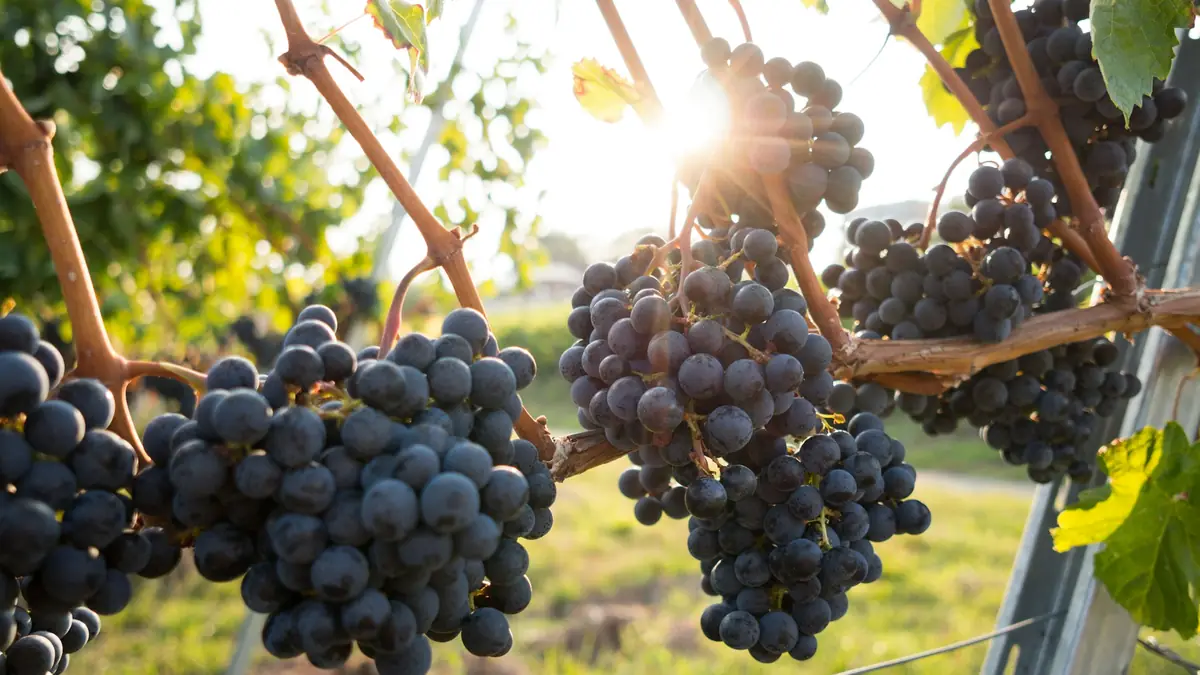
Before there's wine, there's a vine, and this subject area covers the biology and management of the plant itself: vine physiology, propagation, training and pruning systems, irrigation, and how growers manage pests and disease across a growing season. It is the most agricultural of the six areas and overlaps heavily with general viticulture coursework. See our dedicated page on grapevine science.
Economics and marketing
Wine is also a commodity with its own trade patterns, pricing dynamics and export markets. Coursework here typically covers production economics, branding and appellation systems, and how regional identity (a "Mendoza Malbec" or a "Douro Port") functions as a marketing asset as much as a geographic fact.
Sensory analysis
Sensory analysis trains students to evaluate wine systematically rather than impressionistically: structured tasting methods, identifying specific faults, and understanding how sensory panels are used in both research and quality control at a commercial winery.
Sparkling wine production
Sparkling wine is technical enough to usually get its own dedicated unit, covering the specific fermentation and aging methods behind styles like traditional-method sparkling wines and Cava, and the additional cellar skills required, such as managing secondary fermentation and disgorgement. See our dedicated page on sparkling wine production.
| Subject area | Core question it answers |
|---|---|
| Wine tourism innovation | How do visitors experience a wine region, and how is that experience designed? |
| Microbiology, ageing and safety | What organisms and chemical changes drive fermentation, spoilage and ageing? |
| Grapevine science | How is the vine itself grown, trained and protected? |
| Economics and marketing | How does wine move through markets, and what drives its price and brand identity? |
| Sensory analysis | How is wine quality evaluated systematically? |
| Sparkling wine production | What additional techniques does sparkling winemaking require? |
Matching subjects to your goals
Few programs teach all six areas with equal weight. Before comparing universities, it helps to know which subjects actually matter for what you want to do:
- Aiming for a cellar or winemaking role? Prioritize microbiology/ageing/safety and sensory analysis.
- Aiming for vineyard management? Prioritize grapevine science and look for hands-on field hours.
- Aiming for tourism, hospitality or regional development? Prioritize wine tourism innovation and economics/marketing.
- Aiming for export, trade or brand management? Prioritize economics and marketing, with enough science coursework to speak the industry's technical language.
- Interested in sparkling wine specifically? Confirm the program offers a dedicated unit rather than a single lecture folded into general winemaking.
For sourced, open reading material organized by these same topics, continue to our resources page.