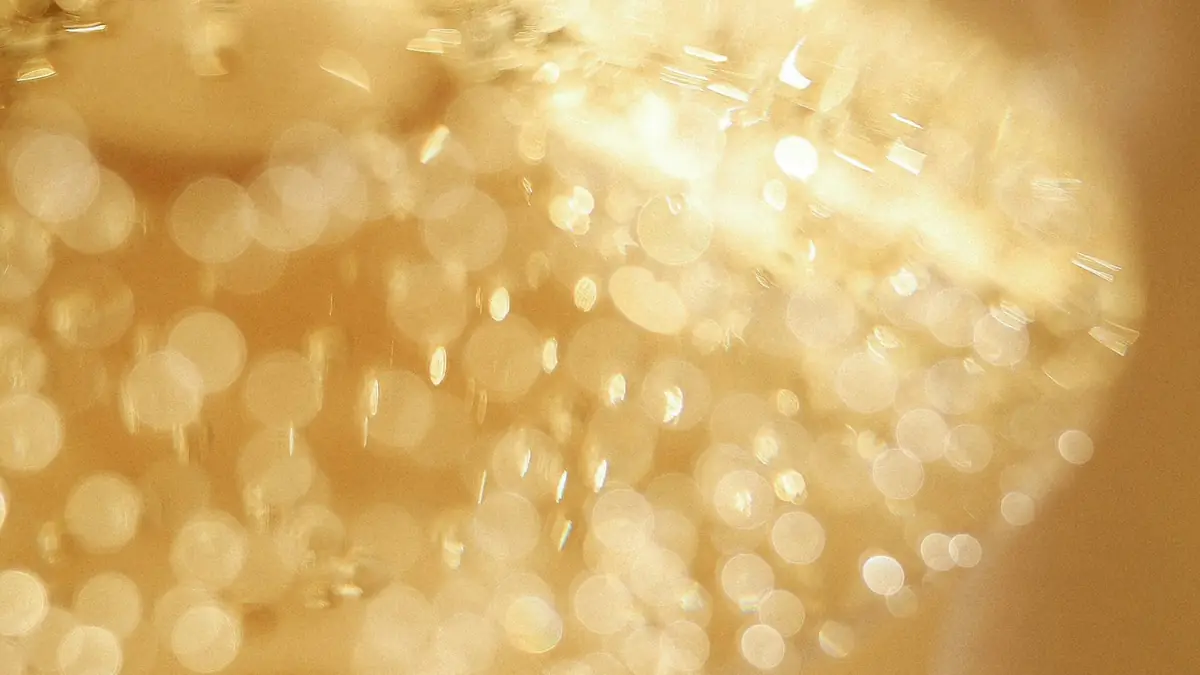
Sparkling wine gets its bubbles from a second fermentation that traps carbon dioxide in the wine, and the method used to run that second fermentation is the main thing that separates styles like Champagne and Cava from styles like Prosecco. This page covers the two dominant production methods and where they show up regionally.
Sparkling wine production builds on the microbiology covered under the modules overview: the same fermentation organisms discussed elsewhere on this site are doing a second round of work here, just under different conditions depending on the method chosen. A related sparkling wines training page covers hands-on and professional education angles, and the ACE oenology and Cava congress page covers an industry event where Cava-specific research and innovation are regularly presented.
The traditional method
The traditional method, known in France as méthode traditionnelle or méthode champenoise, starts with a finished still base wine. Winemakers add a mixture of yeast, sugar and nutrients (the "liqueur de tirage"), bottle the wine, and seal it, triggering a second fermentation inside the sealed bottle. This second fermentation produces carbon dioxide that has nowhere to escape, dissolving into the wine under pressure, and it also produces spent yeast cells (lees) that remain in contact with the wine for an extended period, contributing bready, toasty or nutty aromatic complexity as they slowly break down (autolysis).
After ageing on the lees, producers gradually tilt and rotate the bottles (riddling, traditionally done by hand or with mechanized gyropalettes) to move the sediment toward the neck, then remove it in a process called disgorgement. A small dosage of sugar and wine ("liqueur d'expédition") is added at this stage to set the final sweetness level, from bone-dry brut nature styles through sweeter demi-sec. The whole process, particularly the lees-ageing period, takes considerably longer than tank-based alternatives, which is part of why traditional-method wines are typically positioned at a higher price point.
The Charmat (tank) method
The Charmat method, also called the tank method, runs the second fermentation in large pressurized stainless steel tanks rather than individual bottles. This allows a much larger volume of wine to undergo secondary fermentation at once, with far less lees contact and a much shorter total production timeline. The resulting wines tend to emphasize fresh, primary fruit and floral aromatics rather than the bready, autolytic character typical of long lees-aged traditional-method wines. Prosecco, made predominantly from the Glera grape in Italy's Veneto and Friuli-Venezia Giulia regions, is the best-known example of a wine produced this way, and the method is generally associated with fresher, more immediately approachable, often less expensive sparkling wine styles.
Cava and the traditional method in Spain
Cava is Spain's Denominación de Origen for traditional-method sparkling wine, produced predominantly, though not exclusively, in the Penedès area of Catalonia, with production also permitted in several other designated zones across Spain. Cava's governing rules specify the traditional method (second fermentation in the same bottle the wine is sold in) and set minimum lees-ageing periods that scale with quality tiers, with reserva, gran reserva and similar designations requiring progressively longer ageing than entry-level Cava. Typical grape varieties include Macabeo, Xarel-lo and Parellada, alongside Chardonnay and Pinot Noir in some cuvées.
Checklist: identifying a sparkling wine's production method
- Check the label or regulatory designation: Champagne, Cava, Crémant and Franciacorta all require the traditional method by law.
- Look for terms like "metodo classico," "méthode traditionnelle" or "fermented in this bottle," which indicate traditional-method production even outside a named appellation.
- Prosecco, by its own DOC/DOCG rules, is produced using the Charmat/tank method; if a wine calls itself Prosecco, assume tank method unless a specific rare exception is stated.
- Expect more pronounced bready, toasty or nutty notes in long-aged traditional-method wines, and brighter, more floral or fruity character in tank-method wines, as a general (not absolute) guide.
- Check minimum ageing requirements for the specific designation if comparing quality tiers within one style, such as Cava's reserva and gran reserva categories.
Comparing the two methods
| Feature | Traditional method | Charmat (tank) method |
|---|---|---|
| Where second fermentation happens | Individual sealed bottle | Large pressurized tank |
| Lees contact | Extended, often months to years | Minimal to short |
| Typical aromatic profile | Bready, toasty, nutty (autolytic) | Fresh, fruity, floral |
| Typical production time | Longer, labour-intensive (riddling, disgorgement) | Shorter, more scalable |
| Well-known examples | Champagne, Cava, Crémant, Franciacorta | Prosecco |
Both methods remain active areas of technical refinement, from mechanized riddling equipment to tank-method innovations aimed at adding more complexity to Charmat-style wines, so a program studying sparkling wine production typically covers both in parallel rather than treating one as simply "better" than the other.