An international university consortium, a group of institutions in different countries working together on a shared program or curriculum, needs a management structure before it can run joint courses or exchanges, because no single university has authority over the others. Understanding that structure helps explain why these projects move at the pace they do, and what a "partner meeting" or "steering committee" actually decides.
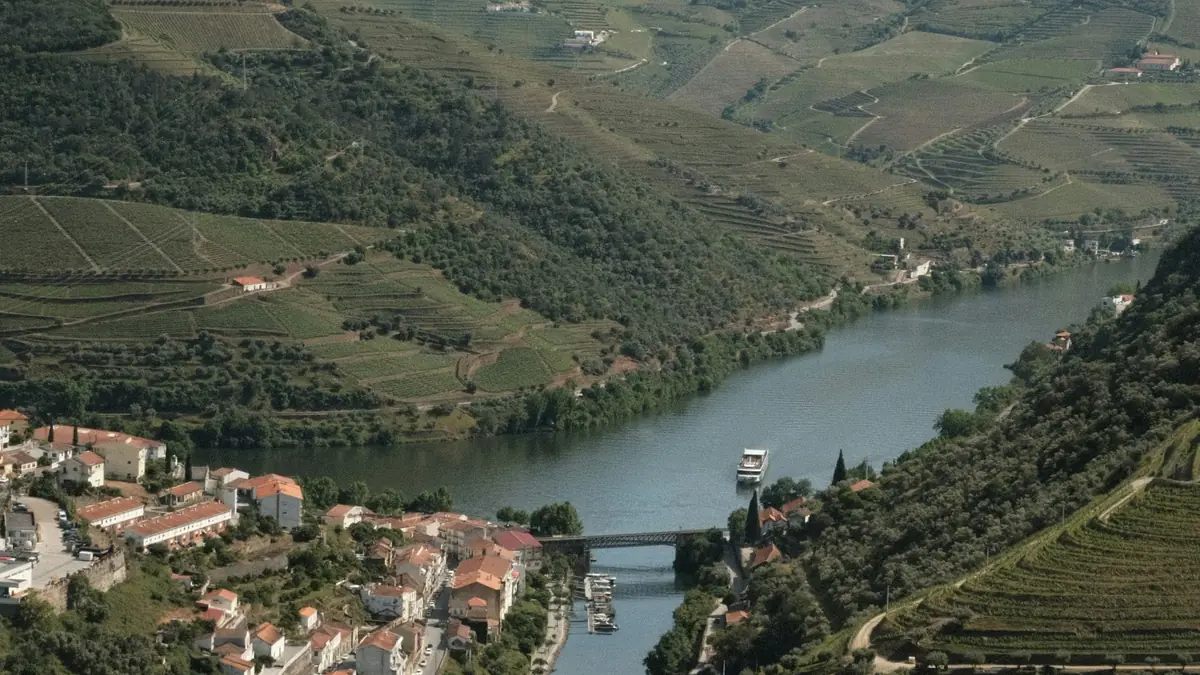
This page explains the basic mechanics of how multi-country education consortia organize themselves, using common roles and processes found across EU-funded and similar capacity-building projects. For related material, see our activities page, the Tarragona preparation meeting, and the partners meeting in Porto.
The coordinating institution
Most consortia designate one university or organization as the lead or coordinating institution, responsible for managing the grant as a whole, reporting to the funding body, and keeping the other partners aligned on deadlines. This role carries real administrative weight: the coordinator typically signs the grant agreement on behalf of the whole consortium and is accountable if reporting requirements aren't met, even when the actual work was done by a partner institution elsewhere.
Partner institutions and work-package leads
Below the coordinator, consortium work is usually divided into work packages, defined chunks of activity such as curriculum design, quality assurance, dissemination, or student mobility logistics. Each work package has a lead institution responsible for driving that piece of work and reporting progress back to the group. This structure lets a 10- or 15-institution consortium actually function: no single meeting needs every detail from every partner, because work-package leads consolidate updates from their own area first.
Steering committees and regular meetings
A steering committee, typically made up of one senior representative from each partner institution, meets periodically (often a mix of in-person consortium meetings and more frequent online sessions) to review progress, resolve disagreements about direction, and approve major decisions like curriculum changes or budget reallocations. In-person meetings are often hosted on a rotating basis, moving between partner countries over the life of the project, both to share travel costs fairly and to let partner institutions showcase their own facilities and local wine or agricultural context.
Quality assurance and reporting
EU-funded projects in particular build in formal quality assurance processes: scheduled progress reports to the funding body, internal review of work-package outputs before they're finalized, and often an external advisory or evaluation role to check the project is meeting its stated goals. This is less visible from the outside than a partner meeting or a published course, but it's usually what determines whether a project continues to be funded through its full term.
| Role | Main responsibility |
|---|---|
| Coordinating institution | Grant management, funder reporting, keeping partners aligned |
| Work-package lead | Drives one defined area of activity, consolidates partner input |
| Steering committee | Reviews progress, resolves disputes, approves major decisions |
| Quality assurance process | Checks outputs and progress against funder requirements |
What this means if you're trying to understand a specific project
- A "partner meeting" announcement usually reflects steering-committee-level coordination, not the full detail of what's being produced.
- The coordinating institution is generally the best source for a consortium's current, authoritative information, since it holds primary reporting responsibility.
- A project can continue functioning even if one partner institution becomes less active, since work-package structures are designed to distribute responsibility rather than concentrate it in one place.
Checklist for assessing how a consortium is organized
- Identify the coordinating institution and confirm it still lists the project or partnership on its own site.
- Check whether work packages or similar divisions of labor are named publicly, which signals a more formally structured project.
- Look for evidence of regular meetings (minutes, photos, news items) spread across the project's full timeline, not just at its launch.
- Note whether reporting or quality-assurance processes are mentioned at all; their absence doesn't necessarily mean they don't exist, but it does mean you can't verify them from public material alone.