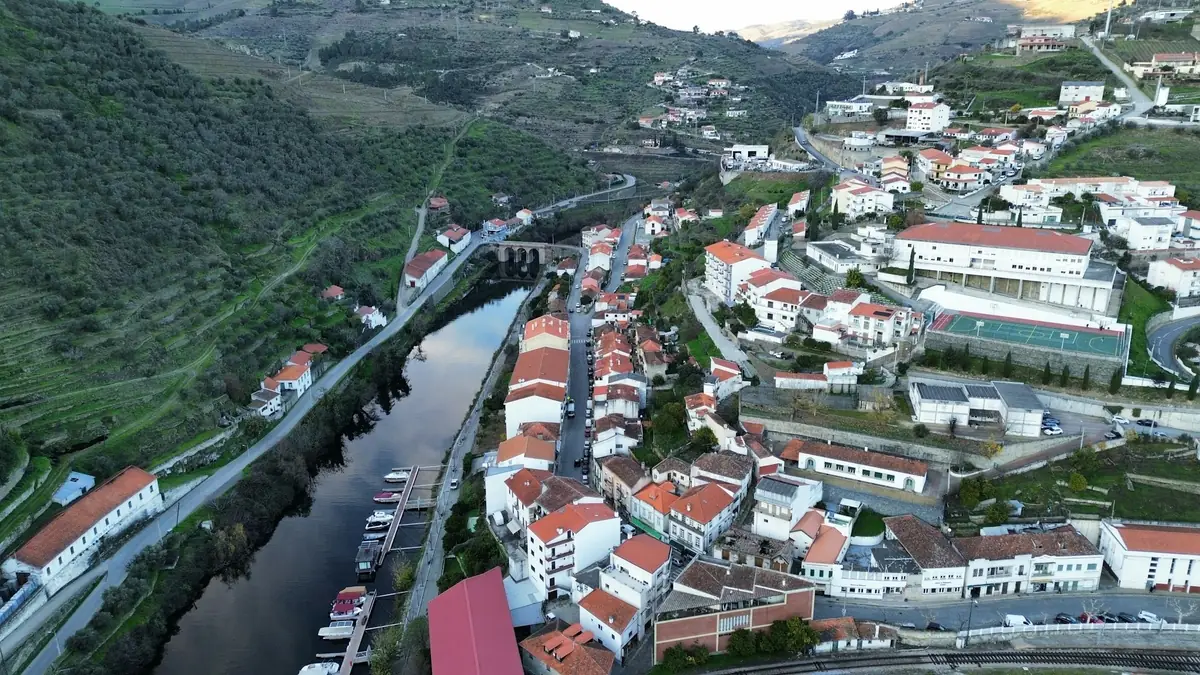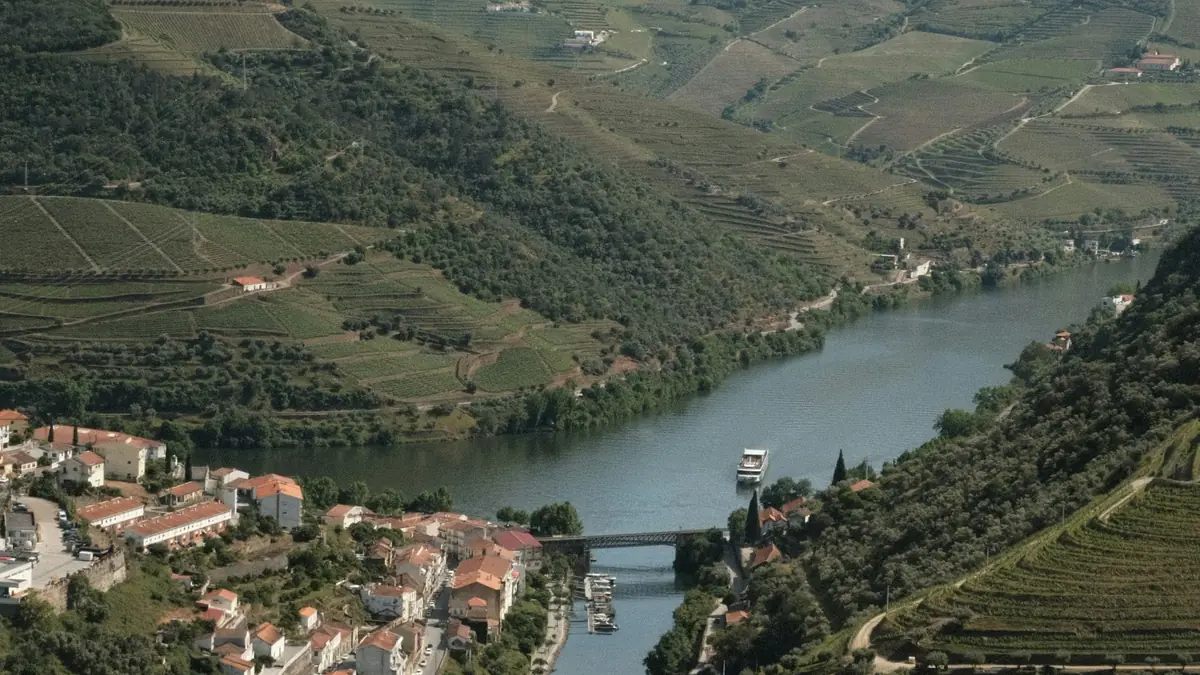
If you want a degree specifically in oenology rather than a general agronomy or food-science track, Tarragona is one of the few places in Spain built around exactly that. Universitat Rovira i Virgili (URV) runs a dedicated Facultat d'Enologia, one of a small number of standalone oenology faculties anywhere in Europe.
This page walks through what URV's Faculty of Oenology actually teaches, how its degree levels fit together, and how the faculty connects to international programs. We also cover URV's historical role coordinating an EU-funded project on wine education, since that history is part of why this domain exists, and why it should not be mistaken for that earlier project.
A dedicated faculty, not a department inside agronomy
Most universities teach oenology as a specialization inside a larger agricultural or food-science school. URV instead runs a standalone Facultat d'Enologia on its Campus Sescelades in Tarragona, with its own building and identity separate from general agronomy (URV Faculty of Oenology listing). The faculty's flagship undergraduate program is the Grau en Enologia, an official four-year, 240-credit degree taught bilingually in Spanish and Catalan, with its study plan published in Spain's official state gazette. At the postgraduate level, the faculty has offered a Màster en Begudes Fermentades (fermented beverages), extending beyond wine into other fermented drinks, alongside its role in the international WINTOUR master's described below.
Degree levels at a glance
- Bachelor's (Grau en Enologia): four years, 240 ECTS credits, taught in Spanish/Catalan
- Postgraduate master's options: including a master's in fermented beverages, taught at the Tarragona faculty
- Joint international master's: WINTOUR, an Erasmus Mundus-labelled program in wine tourism run jointly with the University of Bordeaux and University of Porto
Exact admission cut-offs, current tuition and application windows change year to year and are best confirmed directly on URV's own site rather than through any third-party aggregator, since cut-off scores in the Spanish university system are recalculated each admissions cycle.
URV's role in WINTOUR
URV coordinates WINTOUR, the Erasmus Mundus Master in Wine Tourism Innovation and Management, together with the University of Bordeaux's Institut des Sciences de la Vigne et du Vin and the University of Porto. The program runs 120 ECTS over two years, moving students between all three cities before a final work placement, and it has held Erasmus Mundus recognition since 2015 (University of Bordeaux ISVV, Master WINTOUR). If wine tourism specifically, rather than winemaking science, is your goal, this is the program to research in depth on the consortium's current site.
A note on history: VitaGLOBAL
Between 2018 and roughly 2021-2023, URV coordinated VitaGLOBAL, an EU Erasmus+ funded project run together with the OBREAL network, aimed at helping universities across Europe, Georgia, South America and South Africa build joint master's and doctoral programs in viticulture and oenology. That project is now closed and is a distinct, separate initiative from Vitis Global, the independent educational guide you're reading now. We reference VitaGLOBAL here only as documented history, reported from public sources, and this site does not represent, continue or speak for that project.
| Program | Level | Partners | Length |
|---|---|---|---|
| Grau en Enologia | Bachelor's | URV only | 4 years / 240 ECTS |
| Màster en Begudes Fermentades | Master's | URV only | 1 year (verify current credit load) |
| WINTOUR | Master's (Erasmus Mundus) | URV, University of Bordeaux, University of Porto | 2 years / 120 ECTS |
Before you apply
- Confirm your Spanish or Catalan language level if applying to the bachelor's degree, since it is not taught in English
- Check whether your prior degree qualifies you for direct entry to a master's, or whether a bridging year is required
- Look at current entry cut-off scores (nota de corte) for the specific year you're applying, since these move annually
- If WINTOUR interests you, check which of the three partner universities currently handles first-semester applications
For more on how we approach institutional research like this, see activities, and for context on past international wine-education events, see our page on the VitaGLOBAL final event.