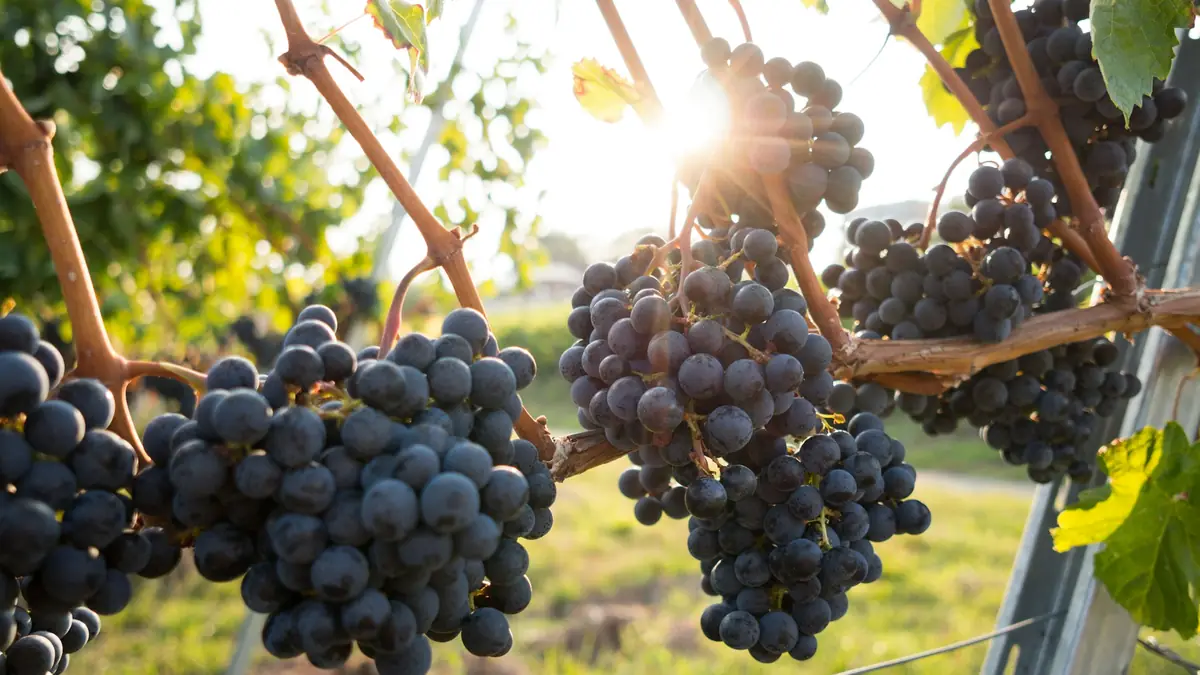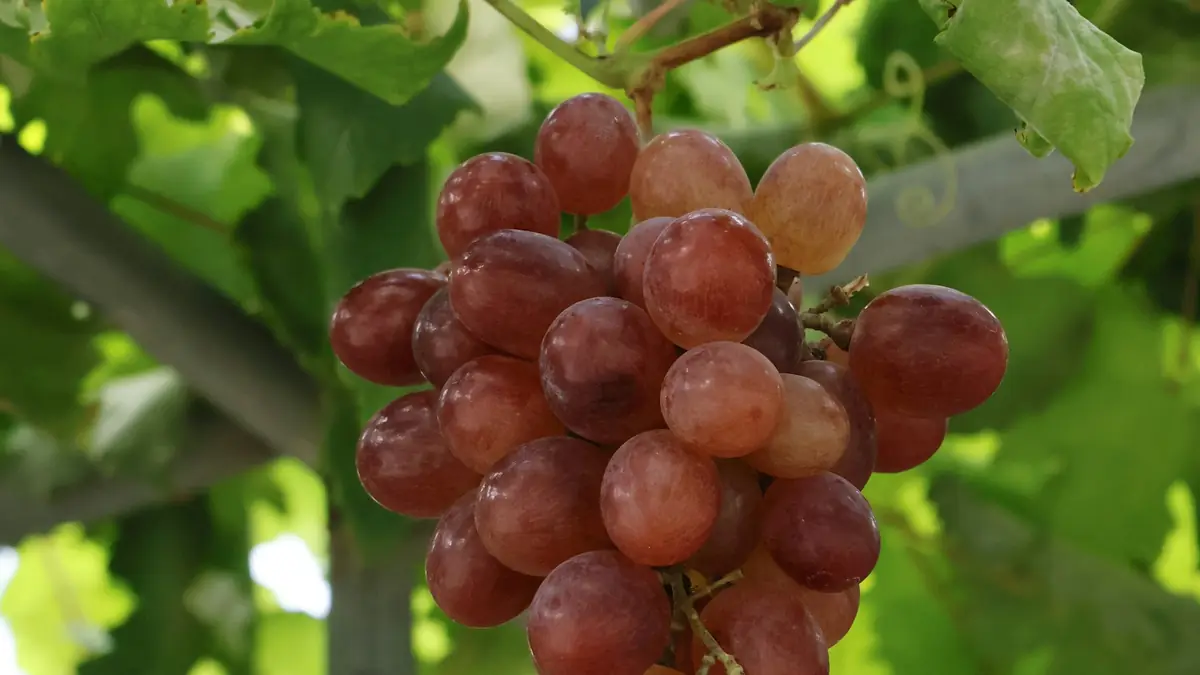
Every bottle of wine starts as a single species of fruit, Vitis vinifera, and the choices made in the vineyard decide most of what ends up in the glass before a single fermentation tank is even opened. This page is a plain-language starting point for anyone new to viticulture or oenology who wants to understand how grapes, growing conditions and winemaking choices connect to each other.
We cover what a grapevine actually needs to ripen fruit, how red and white winemaking differ at a basic level, and where to look next if you want structured study rather than just background reading. If you want to browse other introductory sessions, see our full webinars list, and for a closer look at the plant itself, see the grapevine module.
The vine: one species, thousands of varieties
Vitis vinifera is the grape species behind the overwhelming majority of wine made worldwide, from Chardonnay and Cabernet Sauvignon to Tempranillo, Malbec and Tannat. Within that single species, growers recognize thousands of distinct varieties, each with its own cluster shape, skin thickness, sugar accumulation pattern and resistance (or lack of it) to disease, frost and drought. A vine's rootstock, usually a different species bred for resistance to the root louse phylloxera, is grafted onto the fruiting variety in most of the world's commercial vineyards.
What shapes a grape before harvest
Winegrowers often summarize the influences on a vineyard with the French term terroir, which bundles together several measurable factors:
- Climate and site: temperature during the growing season, rainfall, sunlight hours and altitude all affect how fast sugar and acid develop in the fruit.
- Soil: drainage and mineral composition influence vine vigor and water stress, which in turn affect berry size and concentration.
- Canopy management: pruning, trellising and leaf removal control how much sunlight and air reach the fruit, which affects ripeness and disease pressure.
- Yield decisions: how many bunches a grower allows the vine to carry has a direct, well-documented effect on concentration in the finished wine.
From grape to wine: the basic path
Red and white wines are made through broadly similar steps, but one key difference, when the skins are removed, changes almost everything about the result.
Red winemaking, in short
- Grapes are harvested and usually crushed, but not pressed, so the skins and juice stay together.
- Fermentation happens with the skins still in the tank (maceration), which is where red wine gets its color, tannin and much of its flavor.
- After fermentation, the wine is pressed off the skins and usually aged in tank, concrete or oak before bottling.
White winemaking, in short
- Grapes are usually pressed soon after harvest, separating juice from skins before fermentation starts.
- Fermentation happens on clear juice alone, which is why most white wines carry far less tannin than reds.
- The wine is typically aged for a shorter time than many reds, often in stainless steel to preserve freshness, though some styles use oak.
| Stage | Red wine | White wine |
|---|---|---|
| Skin contact | Extended, during fermentation | Minimal or none |
| Typical fermentation temperature | Warmer (extracts color/tannin) | Cooler (preserves aromatics) |
| Common aging vessel | Oak barrel or large format wood | Stainless steel, sometimes neutral oak |
| Key quality lever in the vineyard | Tannin ripeness, color development | Acid retention, aromatic precursors |
Where this fits into formal study
University programs in viticulture and oenology generally split the subject the same way this page does: one track on the living plant and vineyard management, and another on fermentation science, chemistry and sensory evaluation. If you are completely new to the subject, starting with the vineyard side first, understanding why a grower prunes a certain way or picks on a certain date, makes the winemaking decisions downstream much easier to follow.
Checklist before choosing a beginner course or webinar
- Check whether the session covers viticulture (growing), oenology (winemaking), or both; many short webinars only cover one half.
- Look for at least some practical or visual content (vineyard photos, cellar walkthroughs, tasting components) rather than lecture slides alone.
- Note the language of instruction before registering, especially for sessions hosted by universities outside English-speaking countries.
- Check whether any certificate offered is from an accredited institution or simply a participation confirmation.
For a deeper, structured look at the grapevine as a plant, continue to our grapevine module, and browse other sessions on our webinars page.