Tarragona sits at the center of Catalan wine country, within reach of Priorat's steep slate terraces and the Cava heartland of Penedès, and it is also home to one of Spain's dedicated university enology faculties. For anyone studying wine in Spain, Catalonia offers an unusually compact combination of distinct terroirs and formal academic training within a short drive of each other.
This page maps the region's main wine areas and its university-level teaching option, and notes the area's connection to a now-closed EU education project. For related coverage, see our news section, the Tarragona preparation meeting, and our page on what these projects leave behind.
Priorat: small, steep and intensely concentrated
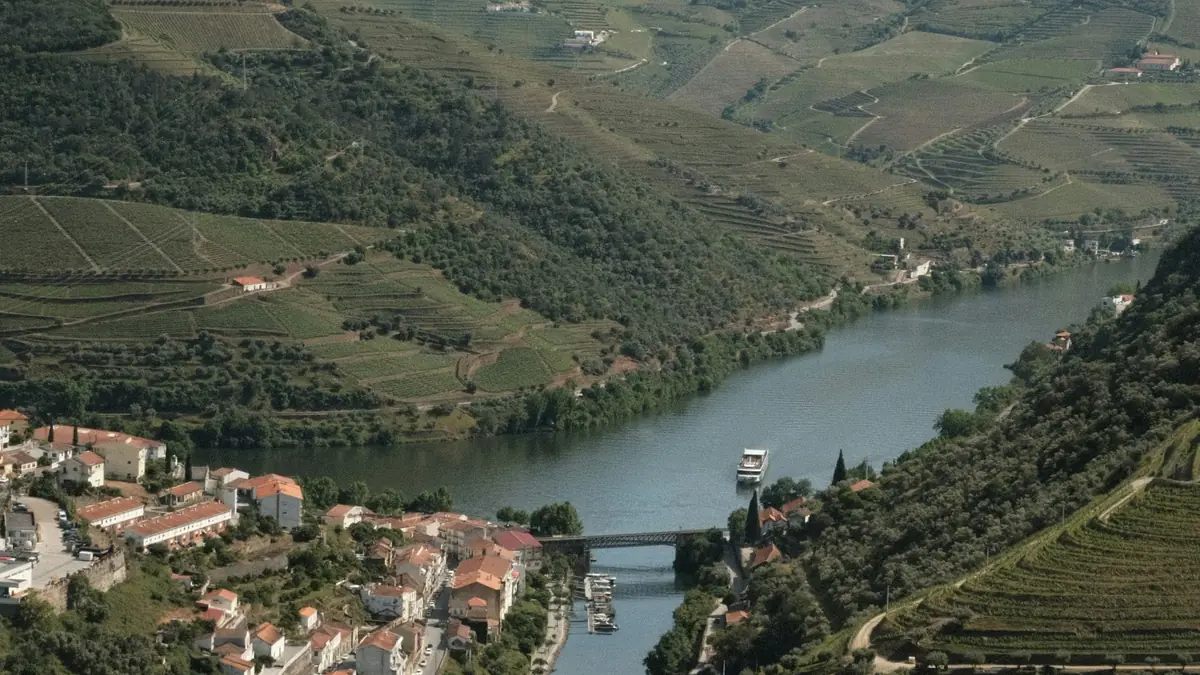
Priorat holds DOQ status, one of only two regions in Spain (alongside Rioja) to carry that highest Spanish designation. Its wines are built mainly on old-vine Garnacha and Cariñena, grown on the region's distinctive llicorella, dark, slate-like soil found on steep terraced hillsides. The combination of low yields from poor soil and difficult, often hand-worked terraces is a large part of why Priorat wines are considered among Spain's most internationally recognized reds. Viticulture in the area traces back to Carthusian monks at the Scala Dei monastery in the 12th century, which is where the region's name originates.
Penedès: the home of Cava
Just inland from Barcelona, Penedès is Catalonia's largest and most commercially active wine region, and it is the historic center of Cava, Spain's sparkling wine made using the traditional method. Penedès also produces still wines under its own DO, which covers only non-sparkling wine; Cava itself is a separate designation that can be produced across a wider geographic area but remains concentrated here. Depending on the source, the region's vineyard area is cited anywhere from roughly 16,000 to over 24,000 hectares, so treat any single figure as approximate.
DO Tarragona and the university connection
DO Tarragona itself is one of Catalonia's twelve recognized wine designations, historically associated with strong, often sweet wine styles, though producers today make a broader range. The city is also home to the Universitat Rovira i Virgili's Facultat d'Enologia, based at the Campus Sescelades, which offers an official four-year Grado en Enología and a Màster in Fermented Beverages. The faculty runs its own experimental winery, Mas dels Frares, in the nearby town of Constantí, producing wine under the DO Tarragona label as part of student training.
A note on VitaGLOBAL's history in Tarragona
Universitat Rovira i Virgili coordinated VitaGLOBAL, an EU-funded Erasmus+ capacity-building project (closed, running roughly 2018 to 2023) that worked with partner universities across Spain, Italy, France, Portugal, Argentina, Chile, Uruguay, South Africa and Georgia on joint master's-level programs in viticulture and oenology, together with the OBREAL Global Observatory as project management partner. Project records point to the consortium's final project event having been held in Tarragona, marking the end of the formal project cycle; given how project pages age and disappear after a grant closes, specific dates for that event are best confirmed directly with URV if you need them for citation. Vitis Global reports on this history independently; it was not involved in and does not represent that project.
| Region/DO | Signature grapes/product | Defining soil or feature |
|---|---|---|
| Priorat (DOQ) | Garnacha, Cariñena | Llicorella slate, steep terraces |
| Penedès | Cava (sparkling), still whites and reds | Catalonia's largest wine region |
| DO Tarragona | Traditionally strong/sweet styles, broader range today | Home to URV's Facultat d'Enologia |
Checklist before researching or visiting
- Don't confuse DO Penedès (still wines) with Cava (a separate sparkling designation produced in the same general area); sources sometimes conflate the two.
- Check whether a vineyard-area figure for Penedès is current, since published numbers vary noticeably by source and year.
- If researching URV's enology program, confirm current admission requirements and language of instruction (Catalan and Spanish) directly with the faculty.
- Treat historical project pages about VitaGLOBAL as closed, archival material, not as live information about current courses at any partner university.
Sources used for this page include Jancis Robinson's Catalonia overview, winetourism.com's guide to Catalonia's DOs, and published information on Universitat Rovira i Virgili's Facultat d'Enologia.