Chile offers a handful of concrete paths into viticulture and oenology, anchored by the Universidad de Talca and the Universidad de Chile, with the Maule Valley providing the regional backdrop for hands-on learning. If you want a technical diploma close to working vineyards, or a research-oriented master's degree, both are worth researching directly on the universities' own sites.
This page looks at what each institution actually teaches, where their campuses sit in relation to Chile's wine regions, and what the Maule Valley brings to the table as a place to study and work the harvest. We also flag a common geographic mix-up so you don't plan around the wrong region.
Universidad de Talca: two campuses, two different regions
The Universidad de Talca runs technical-level training through its Campus Colchagua, located in Santa Cruz. That matters because Santa Cruz sits in the O'Higgins region, home to the Colchagua Valley, not in the Maule region despite the university's name. The campus offers technical programs (Técnico Superior) in Viticultura, in Vinificación y Enología, in Turismo Enológico and in Administración, typically running around two and a half years including a practicum. Several of these programs have carried six-year accreditation from Chile's quality agency, and the Viticulture and Winemaking programs have reportedly adopted elements of a dual-training model partly inspired by Germany's Hochschule Geisenheim, mixing classroom time with paid work in a winery (Hochschule Geisenheim).
Separately, Universidad de Talca's Linares campus sits inside the Maule region itself and offers agricultural and natural-resource programs with relevance to viticulture, rather than the hospitality-flavored technical tracks taught at Colchagua. If your goal is to study specifically within Maule's vineyards, Linares is the campus to check, not Colchagua.
What to verify before applying
- Which campus (Colchagua or Linares) actually teaches the program you're interested in, since the university's name doesn't tell you the region
- Current accreditation status and program length, since technical-degree accreditation periods are reviewed periodically
- Whether the program includes a paid or unpaid harvest practicum, and in which valley
- Entry requirements for international applicants, including language level in Spanish
Universidad de Chile: a research-track master's
At the postgraduate level, the Universidad de Chile's Facultad de Ciencias Agronómicas offers a Magíster en Enología y Vitivinicultura, aimed at professionals who want a stronger grounding in scientific reasoning applied to wine production and vineyard management. Coursework referenced in the program's own materials includes sensory analysis, oenological microbiology, viticulture, terroir and the vineyard environment, and wine commercialization, alongside postgraduate English requirements (Universidad de Chile postgraduate listing). This sits at a different level than Talca's technical diplomas: it's a graduate degree built for people who already hold a related bachelor's degree, not an entry point for beginners.
The Maule Valley as a place to learn
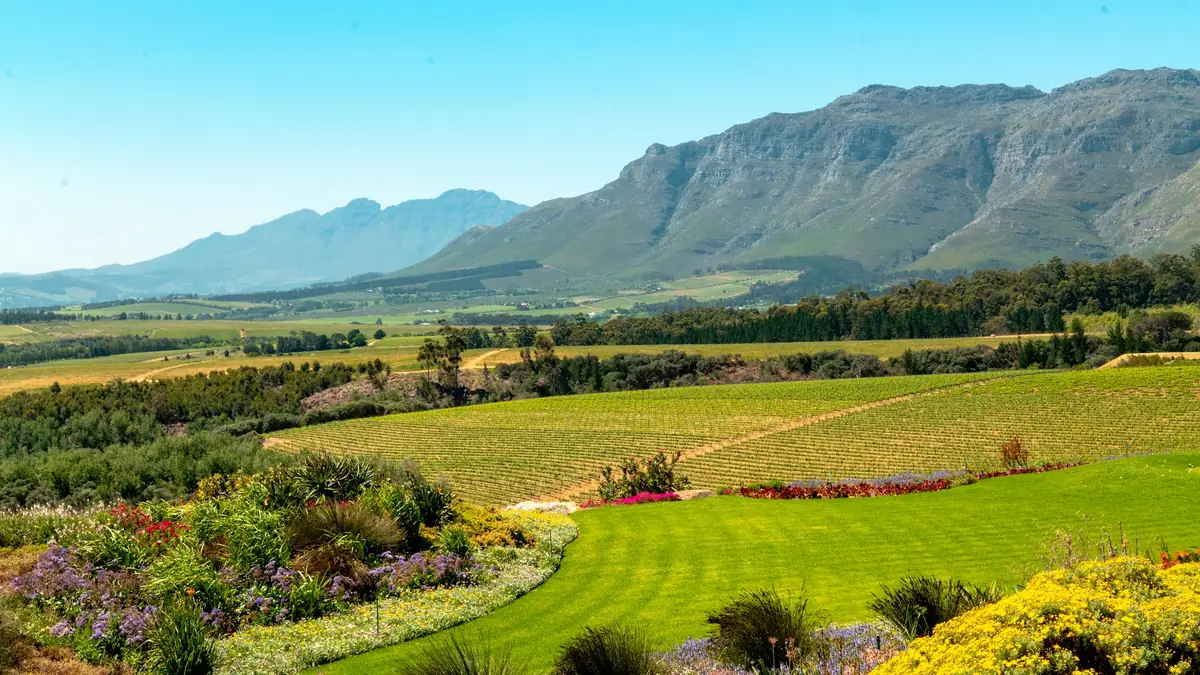
Maule is historically Chile's largest wine-producing valley, part of the broader Central Valley wine region, and for generations it has been associated with País, the rustic, drought-tolerant grape brought by Spanish colonists. In recent decades the valley has shifted toward Cabernet Sauvignon as its leading variety by planted area, with Carmenère increasingly bottled as a varietal wine rather than blended away, and Carignan drawing attention from quality-focused producers working with old, dry-farmed vines (Decanter on Maule's grape varieties). Maule has also long supplied a large share of Chile's bulk wine, which is part of why some producers there are now pushing deliberately toward smaller-volume, higher-quality bottlings.
| Institution | Campus / region | Level | Focus |
|---|---|---|---|
| Universidad de Talca | Campus Colchagua, O'Higgins region | Technical (Técnico Superior) | Viticulture, winemaking, wine tourism |
| Universidad de Talca | Linares campus, Maule region | Undergraduate / agricultural sciences | Agriculture and natural resources relevant to viticulture |
| Universidad de Chile | Santiago, Facultad de Ciencias Agronómicas | Master's (Magíster) | Oenology and viticultural science, research-oriented |
For a sense of how this kind of program development connects to international cooperation efforts in the region, see our notes on a wine education week held in South America, and for a broader look at how Vitis Global approaches regional and institutional research, see our page on activities.
Practical checks before you commit
- Confirm the exact campus address and whether coursework happens there full time or is split between campuses
- Ask about harvest-season scheduling, since vintage work in Chile runs roughly February through April and programs may adjust around it
- Check current tuition and whether it is quoted in UF (a Chilean inflation-indexed unit) rather than a fixed peso amount
- Look for alumni outcomes or placement data directly from the program, rather than assuming based on reputation alone