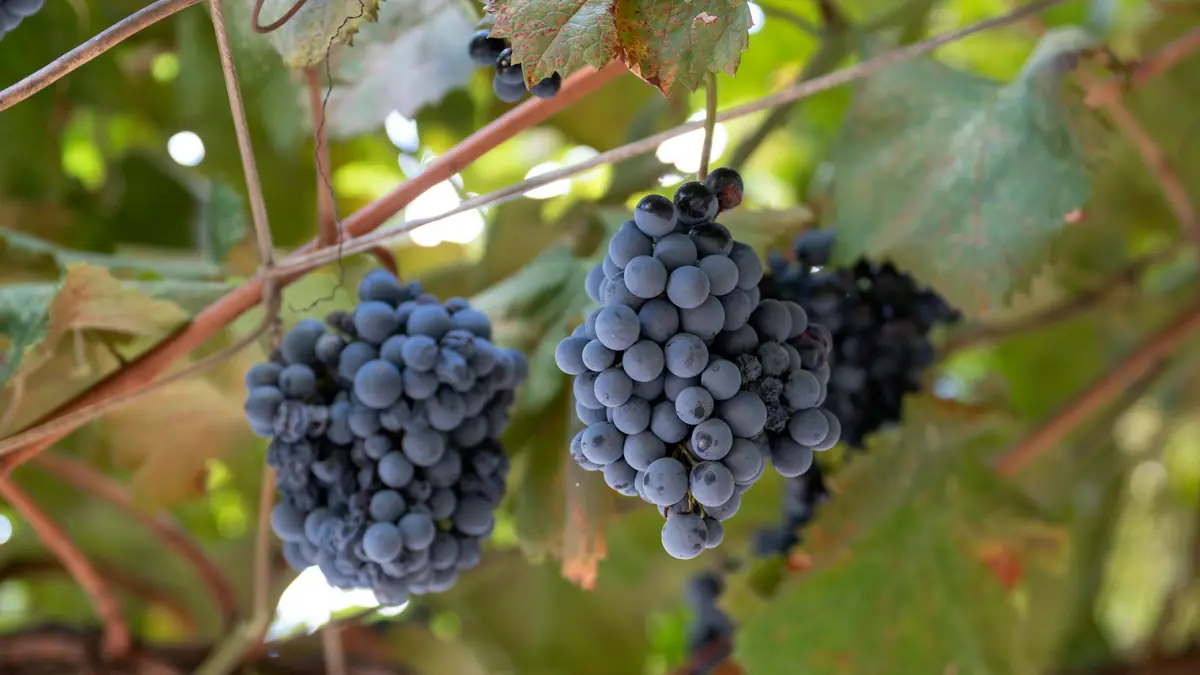
Kakheti, in eastern Georgia, is the country's principal wine region and home to qvevri winemaking, a clay-vessel fermentation tradition recognized by UNESCO as Intangible Cultural Heritage. The region's main university town, Telavi, hosts Iakob Gogebashvili Telavi State University (TeSaU), which teaches viticulture and enology alongside the area's living winemaking culture.
This page covers what Kakheti offers someone studying wine, what TeSaU's academic program looks like, and what to verify before relying on program details that may have changed. For news coverage related to this region, see our news section, our partners overview, and the resource hub.
Why Kakheti matters to wine education
Kakheti produces the large majority of Georgia's wine and is where qvevri winemaking, burying large egg-shaped clay vessels to ferment and age wine with skins, stems and seeds, remains most actively practiced. UNESCO added the traditional qvevri method to its Intangible Cultural Heritage list, recognizing it as a distinct winemaking practice rather than simply a historical curiosity. For anyone studying viticulture or oenology with an interest in traditional methods, Kakheti offers direct exposure to a technique that predates modern stainless-steel and barrel fermentation by thousands of years, alongside contemporary wineries using international equipment and grapes such as Rkatsiteli and Saperavi.
Telavi State University's wine program
Iakob Gogebashvili Telavi State University, based in Telavi in the heart of Kakheti, offers bachelor's, master's and doctoral degrees across several faculties. Its wine-specific offering is a second-cycle Master's program in Viticulture and Enology, recorded in Georgia's national accreditation system at roughly 120 ECTS credits and taught in Georgian. According to records from Georgia's quality assurance agency, the program received a positive accreditation decision with conditions in October 2022, with a recorded validity period running to the end of 2025.
Because accreditation windows like this one can lapse or be renewed, and we found no public record confirming renewal beyond that date, anyone considering this program should verify its current accreditation status directly with TeSaU or Georgia's accreditation agency rather than relying on older listings.
TeSaU's history with VitaGLOBAL
TeSaU was historically a partner institution in VitaGLOBAL, an EU-funded Erasmus+ capacity-building project (closed, 2018-2023) coordinated by Universitat Rovira i Virgili in Spain together with OBREAL, which brought together institutions from Spain, Italy, France, Portugal, Argentina, Chile, Uruguay, South Africa and Georgia to work on joint master's-level programs in viticulture and oenology. Published records from TeSaU describe consortium meetings and staff training sessions held under that project, including sessions on viticulture-related wine tourism content intended for piloting within the university's master's program. Vitis Global is an independent, non-official site reporting on this history; it is not affiliated with that project or its former coordinators.
What to check before researching or applying
- Verify the master's program's current accreditation status directly with TeSaU, since the publicly recorded validity window runs only to the end of 2025.
- Confirm the language of instruction (Georgian) and whether any support exists for non-Georgian speakers before applying.
- Look for the university's current course catalog rather than older project pages, which may describe planned pilot content that was never permanently adopted.
- If researching qvevri winemaking specifically, distinguish between UNESCO's cultural-heritage recognition of the practice and any individual winery's own marketing claims about its qvevri wines.
| Item | Detail |
|---|---|
| Institution | Iakob Gogebashvili Telavi State University (TeSaU) |
| Location | Telavi, Kakheti region, Georgia |
| Program | Master's in Viticulture and Enology, ~120 ECTS |
| Language | Georgian |
| Accreditation note | Approved with conditions, October 2022; recorded validity through end of 2025, verify current status |
Sources used for this page include Georgia's quality assurance agency records via eqe.ge and the European Quality Assurance Register for Higher Education (EQAR), along with TeSaU's own published project pages.