Uruguay's wine education options are smaller and less internationally marketed than Chile's or Argentina's, but they're built around one of the clearest identities in the wine world: Tannat. If you want to study agronomy or oenology with a direct line to a national grape, the Universidad de la República (UdelaR) in Montevideo is the place to start researching.
This page covers where enology-related teaching sits inside UdelaR, what Tannat is and why it matters to Uruguay specifically, and how the national wine regulator INAVI connects to the academic side of the industry. We also flag where the available information gets thin, since Uruguay's wine-education system is not as well documented in English as some of its neighbors.
Tannat: Uruguay's defining red grape
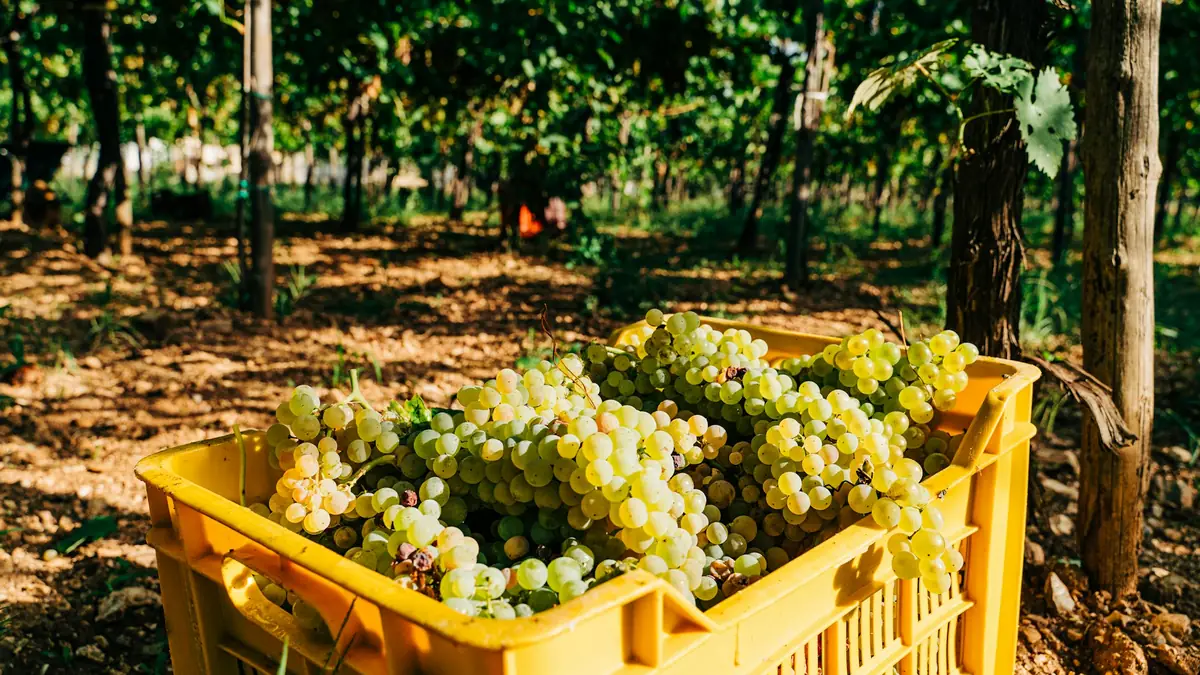
Tannat originated in southwest France, in the Madiran area, but it became Uruguay's signature variety after immigrant winemaker Pascual Harriague planted it near Salto in the second half of the 19th century. Uruguay now has more Tannat planted than any other country, and the grape is central to how the country markets its wine identity internationally. The variety is known for high tannin and color, and Uruguayan producers have worked for decades on techniques, including softer extraction and oak aging, to make it more approachable while keeping its structure.
UdelaR and the academic side of wine
The Universidad de la República, Uruguay's main public university, teaches agronomy through its Facultad de Agronomía in Montevideo, where coursework touches viticulture and related plant sciences as part of the broader agronomy curriculum. UdelaR researchers have also done sustained historical and cultural work on Uruguayan wine: agronomist Estela de Frutos has co-organized academic congresses on the history of Uruguayan viticulture and published on Harriague and the origins of Tannat in the country, work based out of UdelaR's Facultad de Humanidades y Ciencias de la Educación rather than a dedicated enology school (UdelaR FHCE symposium documentation). Uruguay does not appear to run a single flagship "faculty of oenology" comparable to Spain's URV in Tarragona, so a prospective student should expect wine-related study to run through agronomy, chemistry or food-science departments rather than one standalone wine school, and should contact UdelaR's Facultad de Agronomía directly to confirm which specific courses and degrees currently cover enology.
INAVI's role alongside the university
INAVI, the Instituto Nacional de Vitivinicultura, is Uruguay's national wine regulatory body, and it has a documented history of formal cooperation with UdelaR. A 2014 agreement between INAVI and UdelaR, signed through the Facultad de Humanidades' CEIL research institute, set up cooperation on research, teaching and extension work tied to viticultural history, including a planned diploma on the history, traditions and culture of wine aimed at both university professionals and practicing enologists (INAVI-UdelaR cooperation agreement, 2014). That agreement is focused on history and culture rather than technical winemaking science, so it shouldn't be read as proof of a dedicated technical-enology track; treat it as evidence of institutional cooperation rather than a specific degree program.
| Body | Role | What it offers a student |
|---|---|---|
| UdelaR, Facultad de Agronomía | Public university, agronomy degree | Plant science and agronomy coursework touching viticulture |
| UdelaR, Facultad de Humanidades (CEIL) | Research institute | Historical and cultural research on Uruguayan wine, including Tannat's origins |
| INAVI | National wine regulator | Industry data, quality standards, and formal cooperation agreements with UdelaR |
Checklist before planning a program in Uruguay
- Contact UdelaR's Facultad de Agronomía directly to ask which current courses or specializations cover enology or viticulture specifically
- Ask whether instruction is only in Spanish, since Uruguay's university system does not typically offer English-taught wine programs
- Check INAVI's own site for current hectare and production figures rather than relying on any single older source, since vineyard area has shifted over the past two decades
- If your interest is historical or cultural rather than technical, look at UdelaR's humanities-side research groups on wine history, not only agronomy
For related context on how academic cooperation projects move between South American countries, see our page on a wine education week in South America, and for a broader view of how we approach this kind of institutional research, see activities.